Case Study
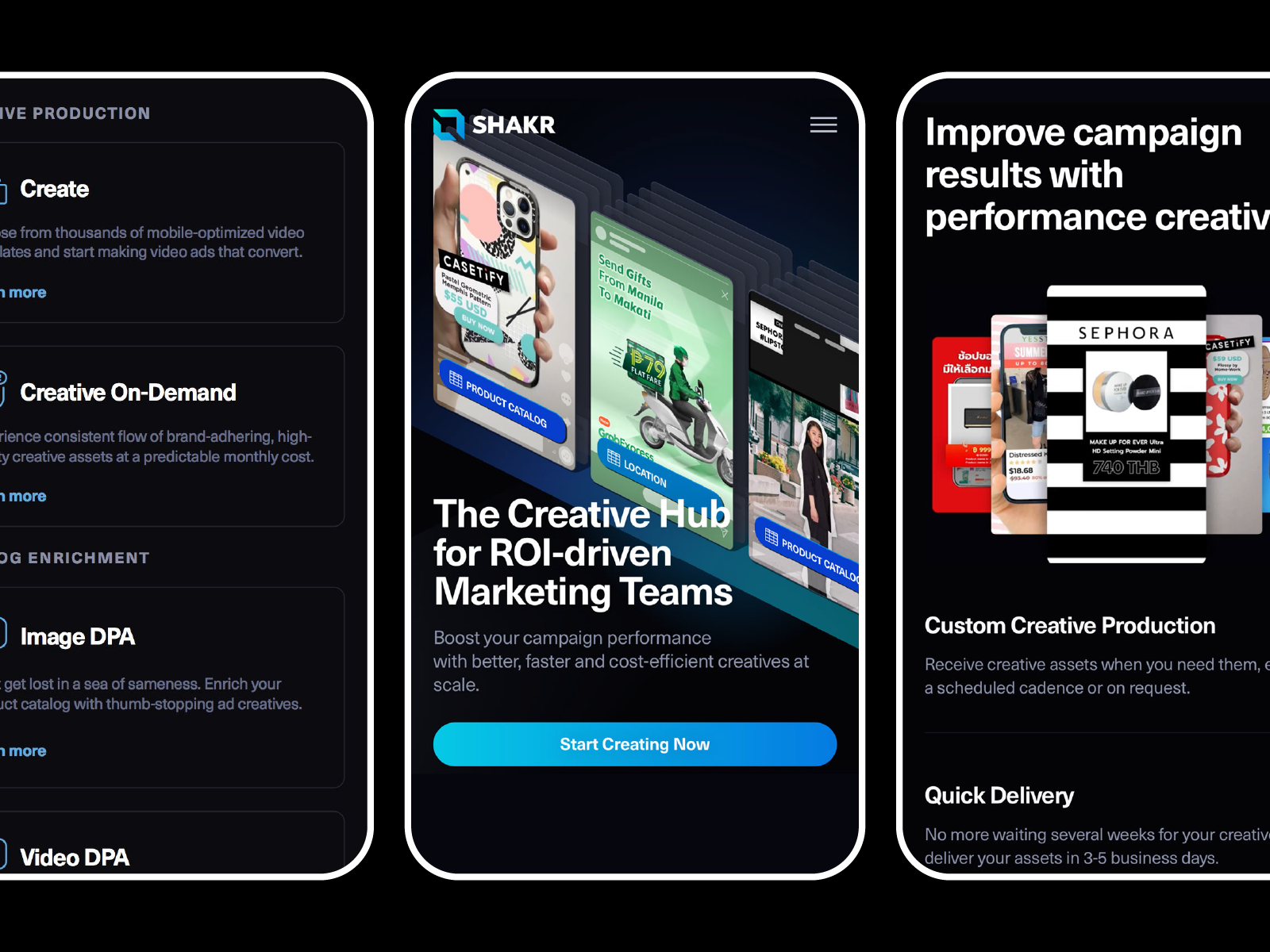
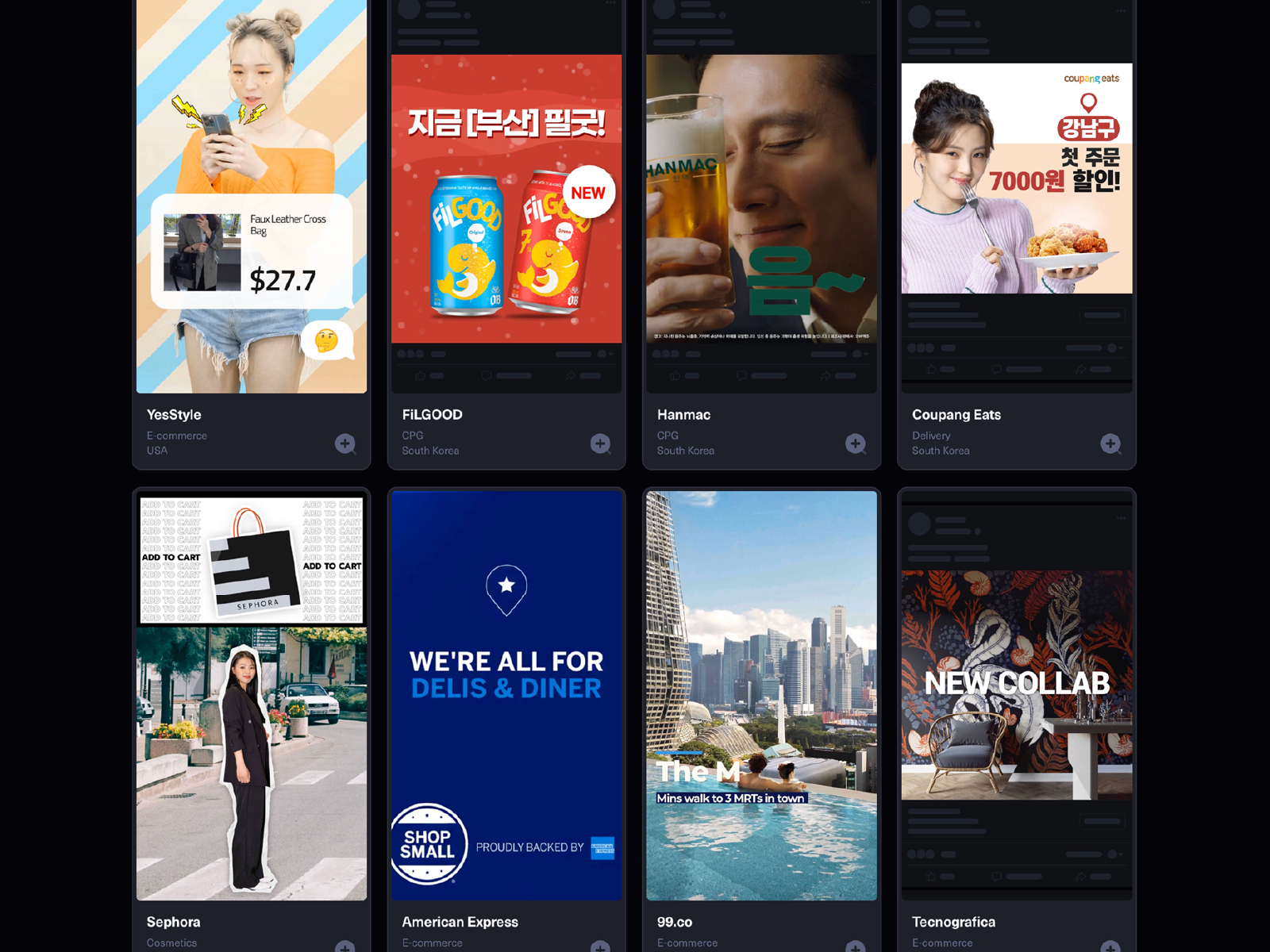
Six years as part of the design team at a video marketing SaaS company. I maintained Shakr's brand system, built case study pages for the brands we worked with, created video templates in collaboration with the dev team for clients including YesStyle, LG, Coupang Eats, and Casetify, and supported marketing with ad creative, blog visuals, and internal and external collateral.
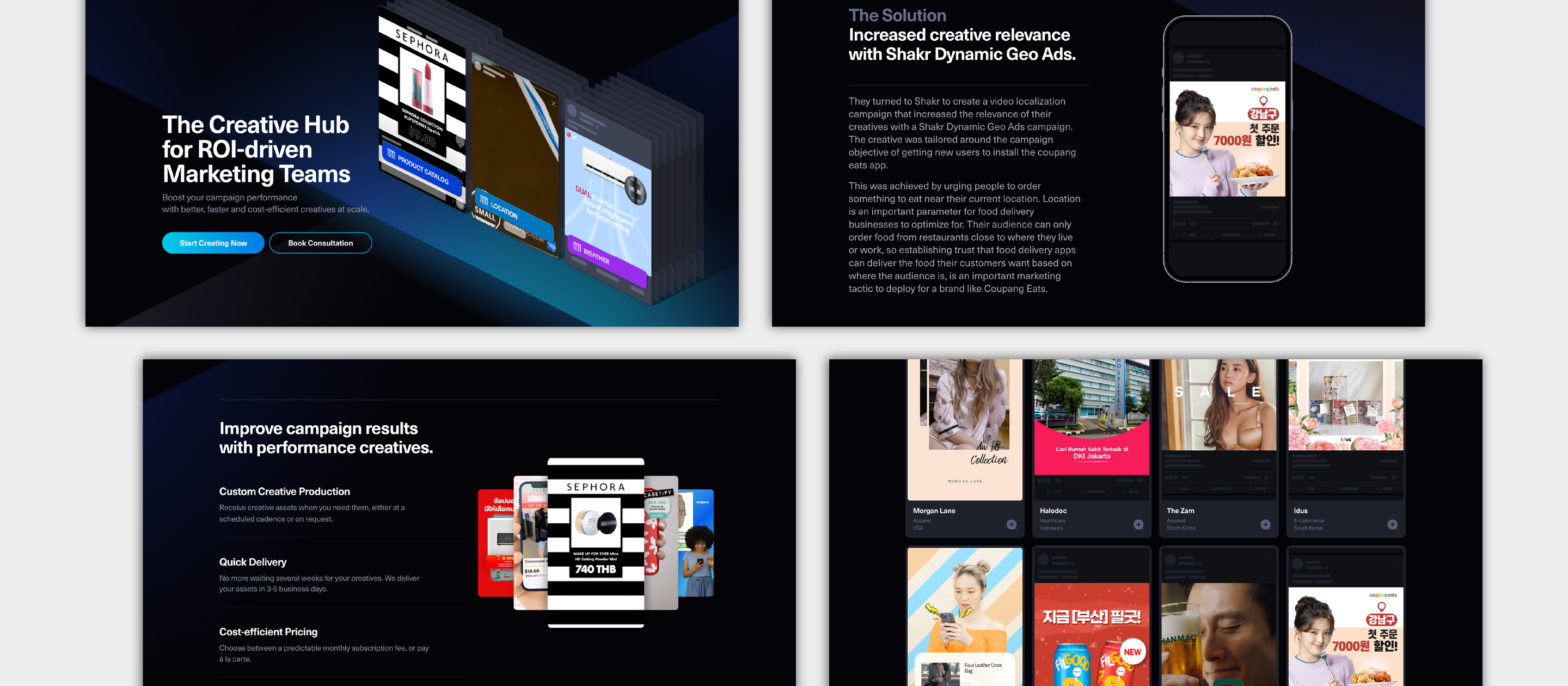
Shakr was a video marketing SaaS platform that let brands and agencies produce video ads at scale using customisable templates. It had a recognisable client roster spanning fashion, consumer electronics, food delivery, and lifestyle. I was part of the design team for six years, working across brand, client-facing deliverables, and internal marketing.
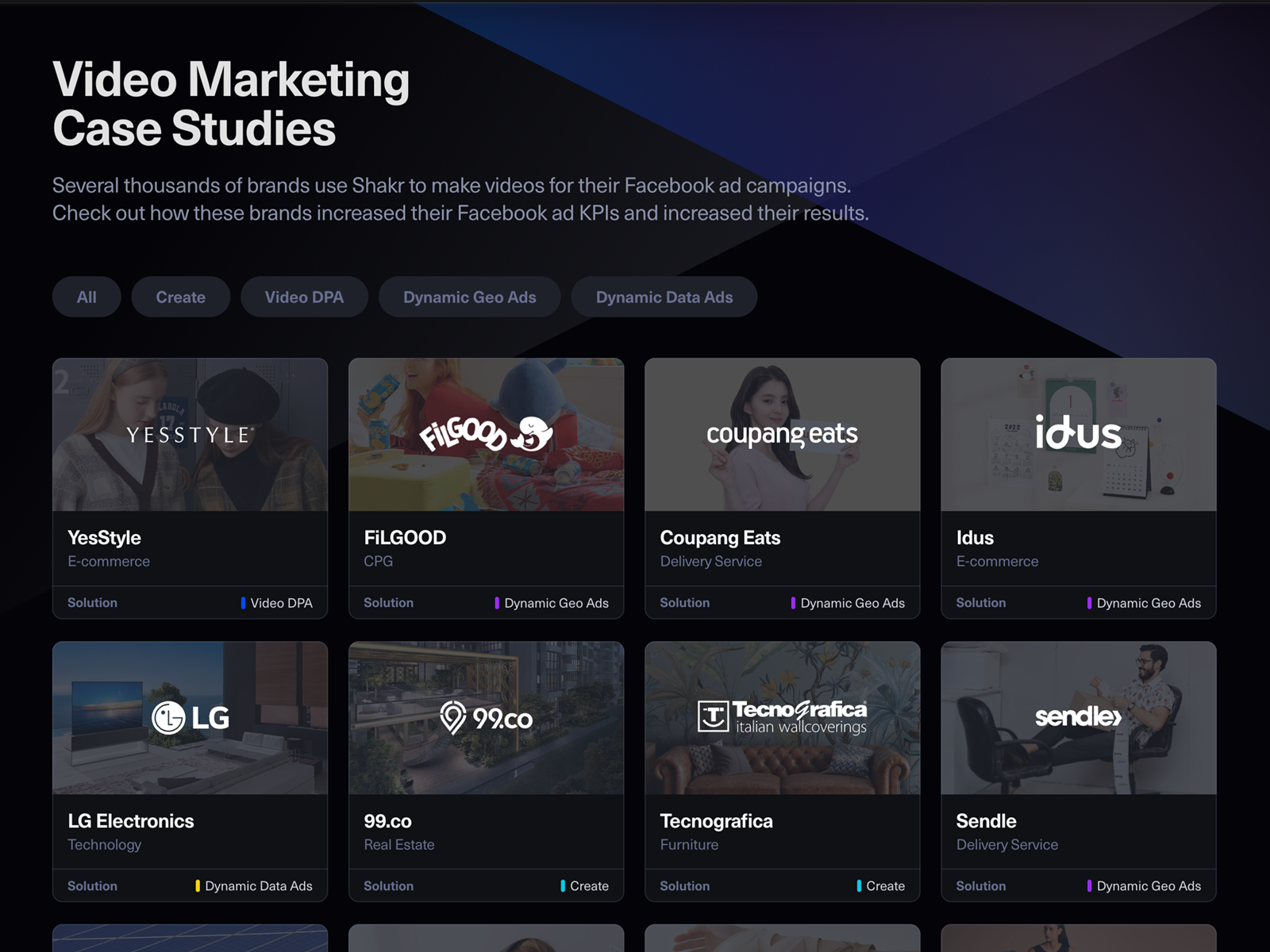
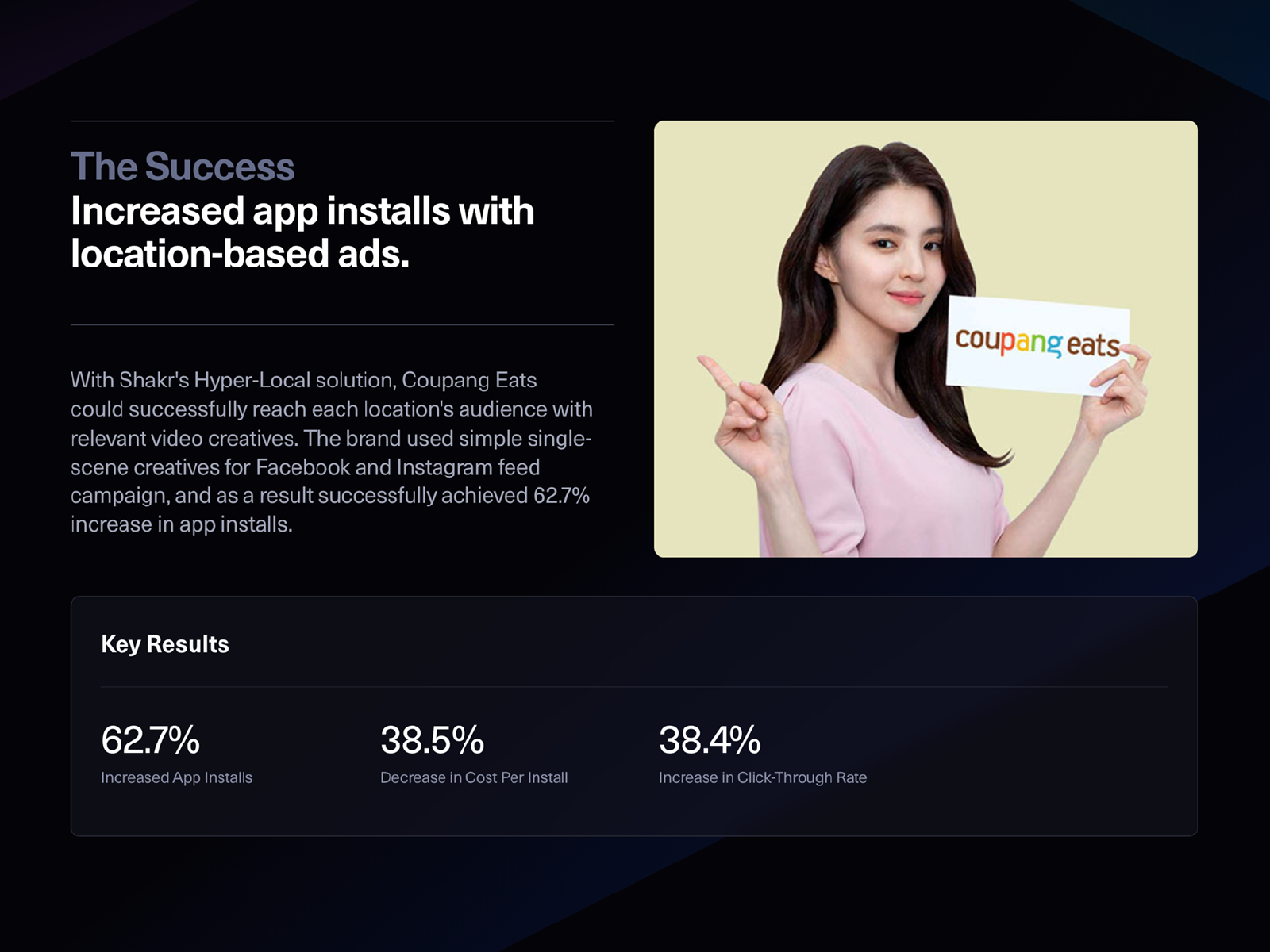
A core part of the work was building video templates with the dev team for the brands using the platform. Notable clients included YesStyle, LG, Coupang Eats, and Casetify. Each template had to flex for different brand guidelines, content types, and campaign formats while staying technically sound for production. Alongside the template work, I built case study pages for the brands we collaborated with, showcasing the campaigns and results on Shakr's site.
My scope also covered brand system maintenance, ad creative, blog visuals, and internal and external collateral. Shakr's illustration system was part of this too: a custom set of visuals built to explain how video automation works to audiences who had never used anything like it.
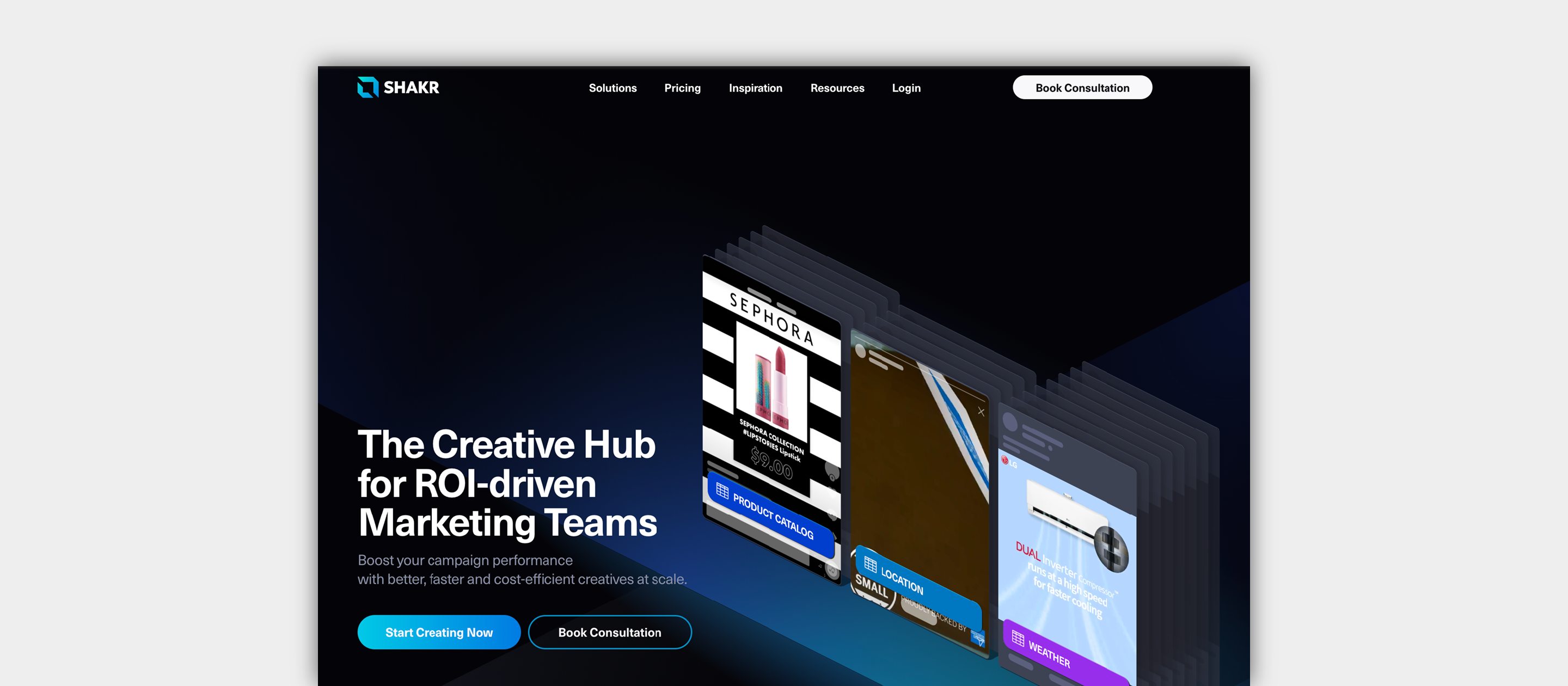
Working with a client roster like YesStyle, LG, Coupang Eats, and Casetify means every deliverable has to hold up against their own brand standards. These aren't small accounts. The video templates had to be well-designed enough that a brand's marketing team would actually use them, and flexible enough to work across different campaign types without breaking down technically.
The template work was a genuine collaboration with the dev team. A template isn't just a layout. It's a system that has to behave correctly when a client swaps in their footage, copy, and colors. Getting that right means understanding both sides: what the design needs to do visually, and what the code needs to do for it to work in production for any client.
The case study pages added another layer. These were public-facing showcases of client campaigns, which means they had to represent the client's work accurately and make Shakr look credible at the same time. Alongside all of this ran the day-to-day marketing output: ads, blog visuals, and collateral for both internal teams and external audiences.
Six years at one company gives you a different kind of perspective than a short engagement. You see what holds up over time and what doesn't. You learn how a brand has to work at every scale, from a launch page to a client template to a style guide someone else has to pick up and use. That's what I took out of Shakr.